
Benefits Of Rosemary Essential Oil

Rosmarinus Officinalis (Rosemary) Leaf Oil is an invigorating essential oil steam-distilled from rosemary leaves, prized in modern skin and hair care for its herbal-fresh aroma, clarifying feel, and scalp-reviving sensorials. Rich in naturally occurring constituents like 1,8-cineole and camphor, rosemary leaf oil brings a clean, spa-like lift to soaps, body bars, shampoo bars, and conditioners. In balanced concentrations, it helps reduce the perception of oiliness, supports a refreshed scalp feel, and leaves skin and hair with a light, energized finish.

The Rosemary Refresh

How rosemary leaf oil refreshes skin, scalp, and senses.

What is Rosmarinus Officinalis (Rosemary) Leaf Oil in skincare?

What is Rosmarinus Officinalis (Rosemary) Leaf Oil in skincare?

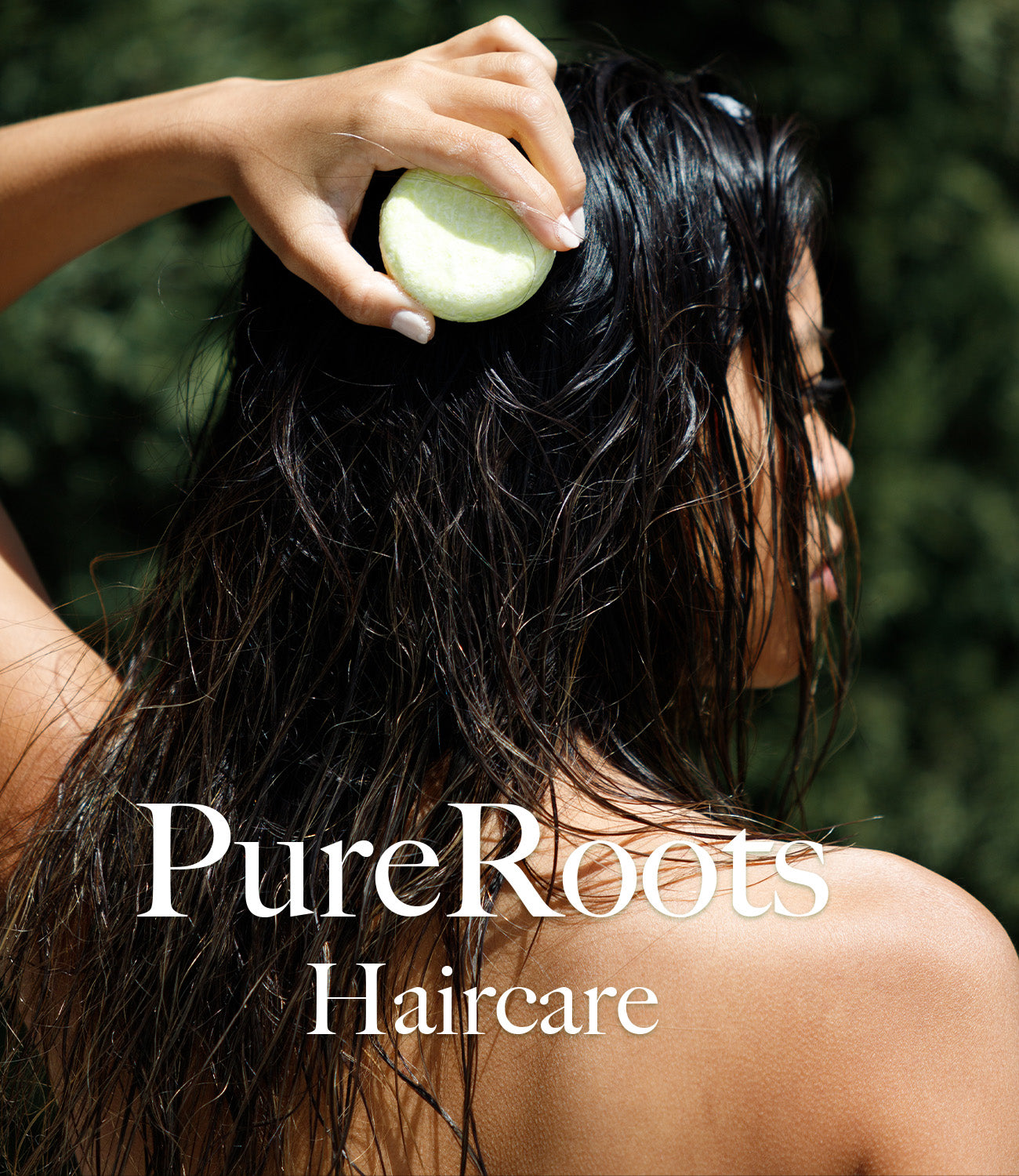
What are the benefits of rosemary oil for hair and scalp?

Rosemary oil provides a fresh, stimulating sensation, helps lift residue, and leaves the scalp feeling clean and balanced. Many users notice hair feels lighter, with enhanced shine and a crisper root feel—especially in clarifying shampoos and bar formats.

Is rosemary oil good for oily or combination skin?

Often, yes. Rosemary’s herbal-camphoraceous profile makes rinse-off products feel extra-fresh and helps reduce the perception of greasiness on skin. For leave-ons, use lower percentages and always patch-test if you’re reactive.

What does rosemary essential oil smell like?

Bright herbal, slightly camphoraceous, with eucalyptus-mint facets. It reads “clean” and “spa-fresh,” pairs well with tea tree, lavender, lemon, and peppermint for layered freshness.

Can I apply rosemary oil directly to the skin or scalp?

Use diluted only. Essential oils are potent; neat application may irritate. Choose professionally formulated products or dilute within safe cosmetic percentages.

Does rosemary oil help with dandruff or hair growth?

Cosmetics can’t claim to treat medical conditions. However, rosemary is commonly included in scalp-refresh products that aim to reduce the sensation of buildup and leave the scalp feeling revitalized. Consult a professional for medical concerns.

Is rosemary oil safe for sensitive skin?

It can be sensitizing for some. Patch-test first (24–48h). If sensitive, opt for lower-scent or rinse-off formulas and avoid use near the eye area.

Rosemary oil vs. peppermint or tea tree—what’s different?

Peppermint gives cooling menthol; tea tree reads medicinal-fresh; rosemary leans herbal-camphor with a crisp lift. Many formulas blend rosemary with either to balance freshness and complexity.

How does rosemary oil perform in shampoo bars and solid conditioners?

Beautifully—its aroma survives saponification/syndet processing well and delivers an unmistakable fresh-wash cue. It pairs with emollients (e.g., olive, jojoba) to keep slip while avoiding heaviness.

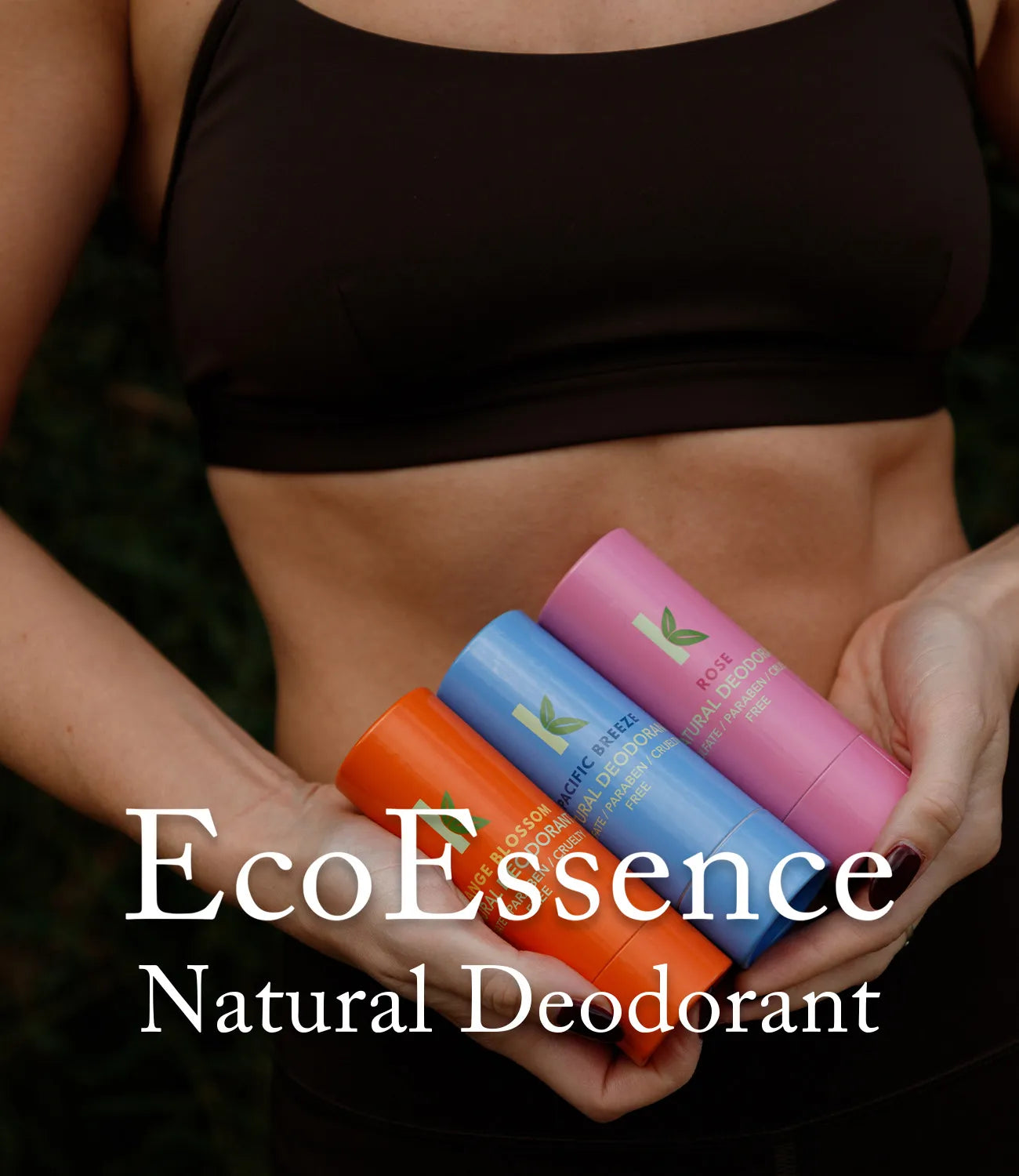
Can rosemary essential oil be used as a natural deodorizing note?

Yes. Its herbal-clean character helps deodorize and brighten scent profiles in body soaps, sport bars, and post-workout washes.

Have any other questions about rosemary essential oil in our products?