
What Is Sodium Cocoyl Glutamate

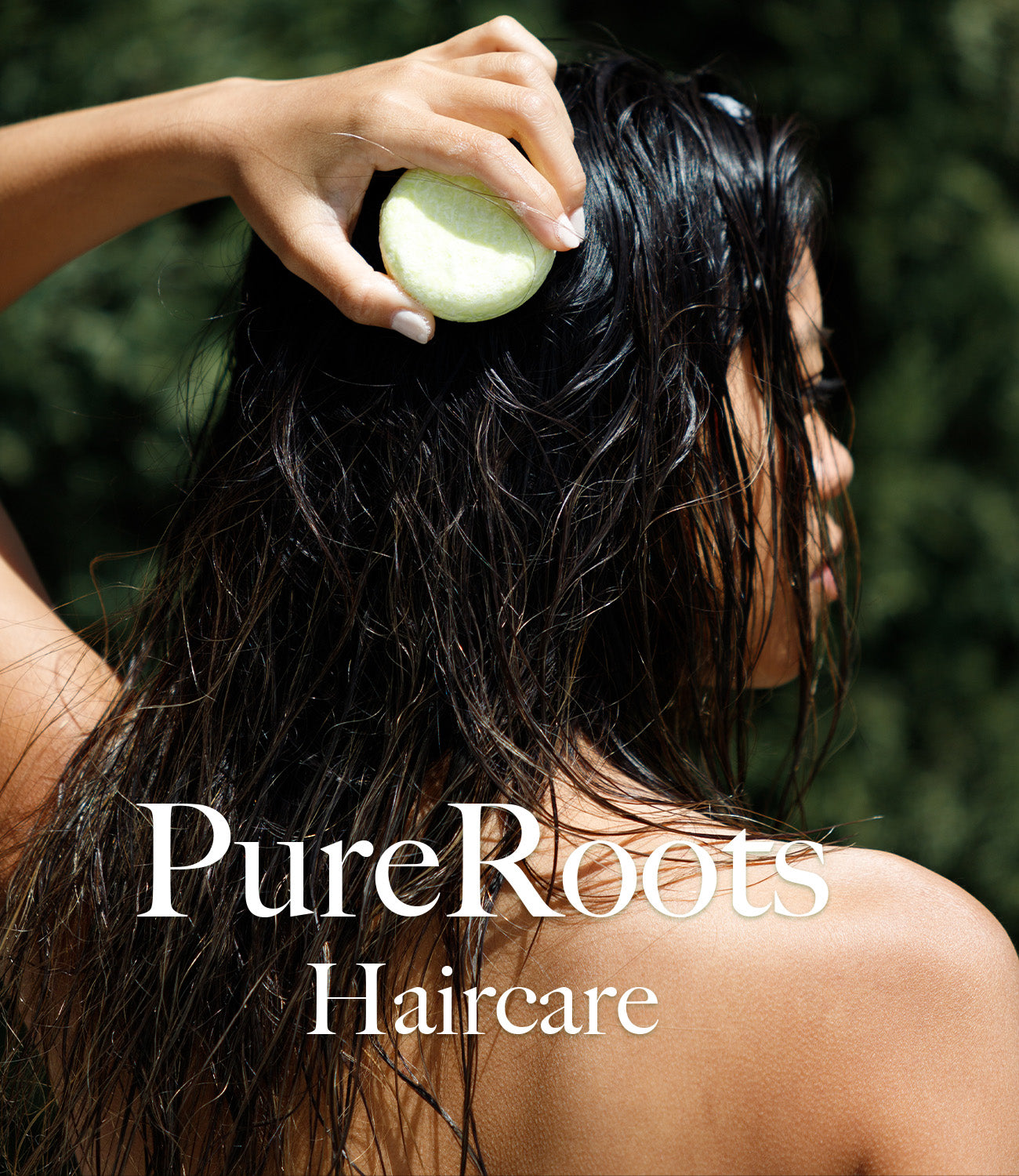
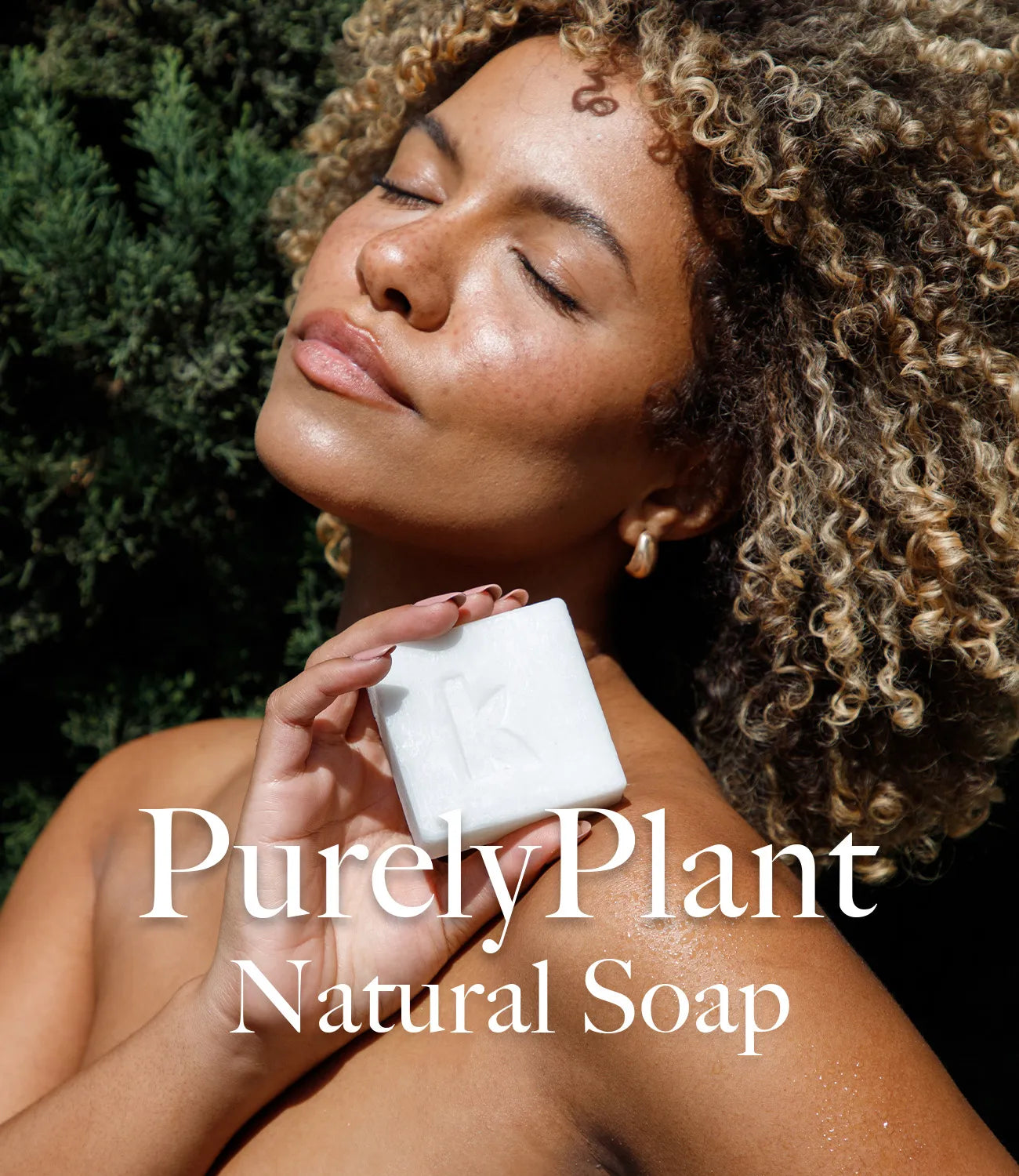
Sodium Cocoyl Glutamate (SCG) is a ultra-mild, amino-acid–based surfactant made from coconut fatty acids and L-glutamic acid. Naturally sulfate-free and readily biodegradable, it creates a soft, creamy lather that cleanses without stripping—perfect for face washes, body bars, shampoo bars, and sensitive-skin formulas. SCG works beautifully in mildly acidic systems (around skin’s pH), delivering a conditioned, silky after-feel and great rinseability.

Sodium Cocoyl Glutamate FAQs

Everything You Need To Know About The SLS-Free Lather Of Sodium Cocoyl Glutamate

What is Sodium Cocoyl Glutamate in skincare and haircare?

Sodium Cocoyl Glutamate is a gentle anionic surfactant derived from coconut oil and the amino acid glutamate. It lifts dirt and excess oil while preserving the skin and scalp’s moisture balance, so products feel clean—not squeaky or tight.

Is Sodium Cocoyl Glutamate sulfate-free?

Yes. SCG contains no sulfates (it’s not SLS/SLES). That’s why it’s common in “sulfate-free” cleansers, bars, and shampoos that aim for mildness and a skin-friendly pH.

Is Sodium Cocoyl Glutamate safe for sensitive skin?

Generally, yes. SCG is known for low irritation potential versus many traditional surfactants. As with any cleanser, individual sensitivities exist, so patch-testing is wise—especially for reactive or compromised skin.

What does Sodium Cocoyl Glutamate do in a formula?

It provides primary cleansing, contributes a creamy, stable foam, improves wet combability in hair products, and enhances the overall skin feel post-rinse. It also helps solubilize oils and fragrances when combined with co-surfactants.

How does Sodium Cocoyl Glutamate compare to Sodium Lauroyl Glutamate (SLG) or Disodium Cocoyl Glutamate (DCG)?

All are glutamate-based surfactants. SLG uses lauroyl (C12) rather than mixed cocoyl chains; DCG is a di-salt often used to tweak solubility and mildness. They’re frequently blended to balance foam, viscosity, and feel.

Does Sodium Cocoyl Glutamate work in hard water?

Better than many traditional soaps. While any anionic can be affected by minerals, SCG’s synthetic-detergent profile keeps lather more stable than true soap in hard water, especially when paired with amphoterics.

What does SCG feel like on hair and skin?

Customers report a soft, conditioned after-feel with less “squeak.” On hair, it helps reduce friction and frizz and improves slip, especially when combined with conditioning polymers or cationic agents in conditioners/bars.

Best co-surfactants to pair with Sodium Cocoyl Glutamate

Great partners include Cocamidopropyl Betaine (boosts mildness/foam), Sodium Cocoyl Isethionate (SCI) (dense, creamy lather in bars), and Glucosides (extra gentleness). These blends balance foam quality, viscosity, and cleansing strength.

Can Sodium Cocoyl Glutamate remove heavy oils or silicones?

On its own it’s gentle, so for heavy build-up, formulators often pair SCG with a co-surfactant system or add chelators/solubilizers. For daily cleansing and moderate oils, SCG performs very well.

Who should consider avoiding SCG?

Anyone with a known allergy to components of the ingredient should avoid it. While rare, any surfactant can irritate highly compromised skin—choose ultra-mild percentages, short contact time, and patch-test when in doubt.

Have any other questions about sodium cocoyl glutamate in our products?Reach Out! Hello@SeekBamboo.Com

Quick Specs

INCI

Sodium Cocoyl Glutamate